- Explainer
What Is Cultured Butter?
Before it is butter, it is crème fraîche. It sits in our dairy at Cholmondeley, pale and thick, smelling faintly of yoghurt. This is not the finished product.
Our cultured butter begins as cream, ripened slowly with live cultures until it becomes crème fraîche, with all the weight and tang and depth you know from a good spoonful on a soup or a tart. Only then does it go to the churn. What we pour in is crème fraîche. What comes out is butter.
So what is cultured butter?
For us, it’s butter made from cream that has first been turned into crème
fraîche. The culturing step is what gives the butter its depth. A small tang on the finish, a nuttier weight in the round. You may see it called lactic butter, soured butter, European butter, or traditional butter. In France, where the cultured batch is still the default, it is called simply beurre.
Our cultured butter is butter churned from crème fraîche rather than from fresh cream. The culturing step is what gives it flavour.
Why isn't all butter like this?
Time, mostly. Four days of it. The industrial logic of the last century was to take that time back, to build a process that could run faster and produce something more uniform. Most of the butter on a British shelf is made this way. Fresh cream, pasteurised, into the churn the same morning, out as butter by the afternoon. Clean and entirely reliable. It is what most of us grew up spreading, and there is nothing wrong with it.
The traditional butters of France, Normandy, and Denmark never took the shortcut. AOP butters from Poitou-Charentes and Isigny are cultured. Many Irish butters are cultured too, though not all. The point is not that one way is correct and the other wrong. Only that one of them has been quieter about carrying the flavour through.
How it behaves differently
The flavour opens up.
The culturing produces natural compounds that aren’t present in fresh cream. Diacetyl is the best known, the one that reads most intensely as butter when concentrated. In a properly made cultured batch the same compound sits rounder and deeper, woven through the fat rather than
laid on top of it. It is the same difference you taste between crème fraîche and single cream, carried forward into the butter.
The mouthfeel is fuller.
Because the fat globules haven’t been opened, the delicate flavour compounds inside them stay in the cream rather than leaching into the rest of the milk.
It carries its character into cooking.
You can taste good cultured butter in a finished sauce, in a laminated pastry, on a piece of sourdough. It does not get lost behind the other ingredients the way a more neutral fat sometimes can.
Cultured is not the same as raw
A common confusion, worth sorting.
Raw butter is made from unpasteurised cream. That is a separate question, with its own rules, and it is rarely seen on UK retail shelves.
Cultured butter is about what happens to the cream before churning, not whether the cream was heat-treated. Our cultured butter starts with gently pasteurised cream, ripened into crème fraîche with live cultures, and then churned. The two words describe different things.
How ours is made
We add a lactobacillus culture to our cream and let it ferment slowly at on dairy on the Cholmondeley Estate in Cheshire. Four days on, when the cream has matured into our signature crème fraîche, we add sea salt and churn it. The butter is shaped into logs and wrapped.
How to use it at home
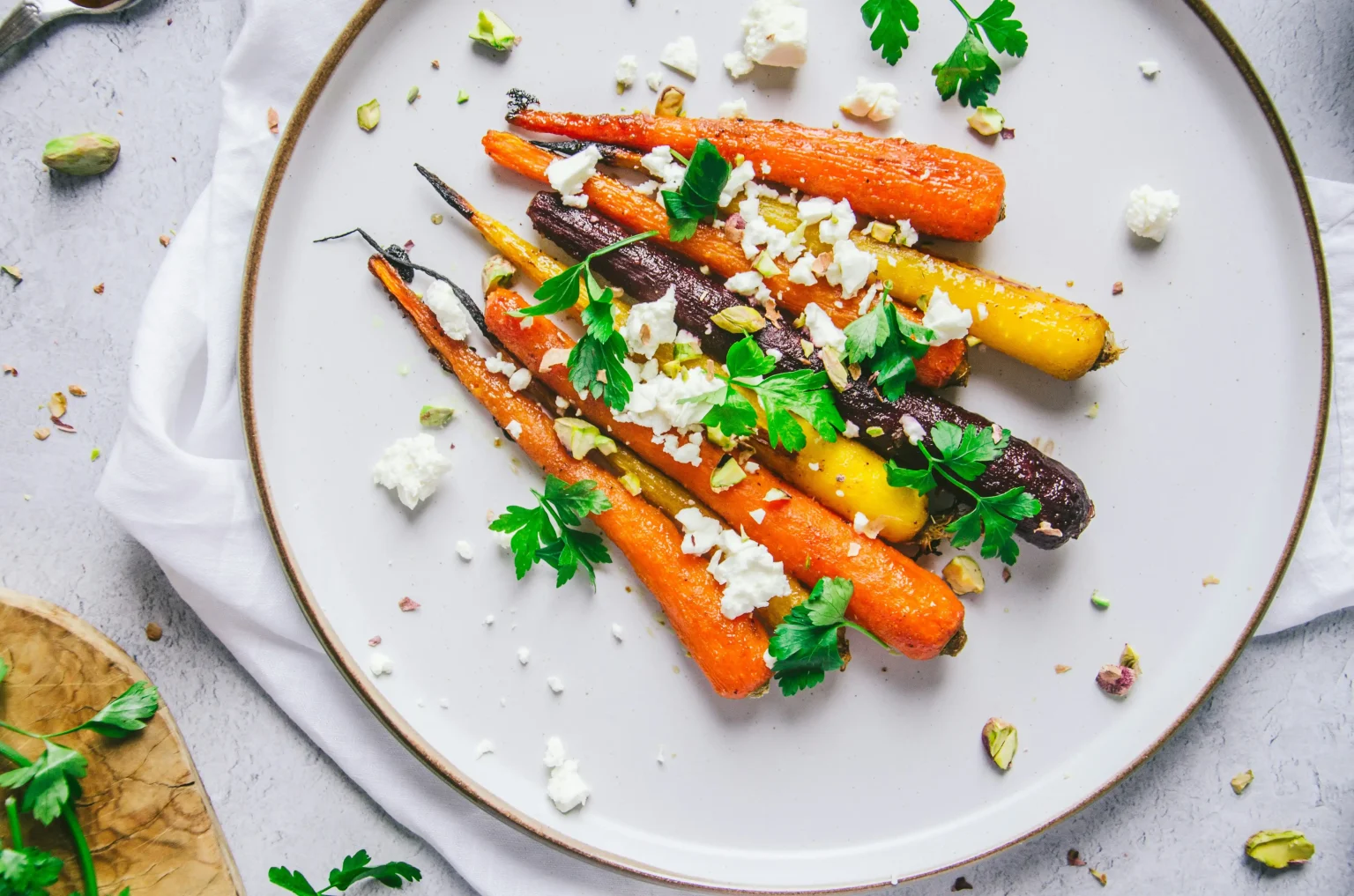
On toast, neat.
The simplest test. Cultured butter on a piece of warm
bread is often a small revelation.
In pastry and baking.
Laminated doughs, shortcrust, scones. The higher fat helps the flakiness. The flavour runs through every layer.
Finishing sauces.
Whisking cold cubes into the pan at the end of cooking. A well-known trick that matters more with butter that has something to give.
Scrambled eggs.
A piece of cultured butter in the pan changes the dish entirely, from the first contact with the yolk.
Brown butter.
The depth holds through browning, and can deepen further.
Frequently asked questions
Is cultured butter the same as Irish butter?
Some Irish butters are cultured, but not all. The confusion comes from the yellow-gold colour, which is about grass-fed cream and beta-carotene rather than the fermentation. You can have uncultured Irish butter. You can also have cultured butter from elsewhere with a paler colour.
Is it the same as European butter?
ost European butter is cultured, so “European-style” tends to imply cultured. The two terms overlap but are not identical.
Does it taste of crème fraîche?
The character of the crème fraîche carries through into the butter, gently. You get the weight and the faint tang, but rounded and softened by the churn. It should not taste sharp. Good cultured butter tastes like butter, with the crème fraîche sitting behind it.
Does cultured butter have probiotic benefits?
It contains live cultures and some of those can remain in the finished product. Cold-spread, you are consuming a small amount of live culture. Heat destroys the bacteria, so cooking delivers the flavour but not the microbial element. The research on wider health effects is modest, and we are careful not to overstate it.
Does it keep as long as standard butter?
Yes. Keep it cold and airtight. Salted versions keep slightly longer than unsalted, same as any other butter.
What should cultured butter taste like if it's good?
Clean. A tang that reads almost like yoghurt with a long finish. If a cultured butter tastes flat, or sharply sour, the culture has been pushed too hard.